Cat Care
Matting isn't a haircut problem — it's a skin emergency
What looks like a tangle is actually constant tension on living skin.
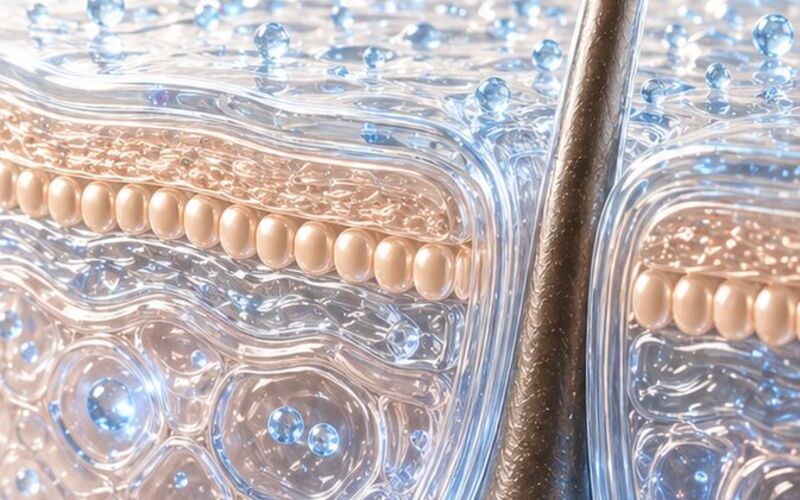
People bring in a matted cat apologising for how it looks. We are far more concerned with how it feels. A mat is not loose fur — it is a dense knot anchored to the skin, and every time the cat moves, it pulls. Left long enough, it becomes one of the most uncomfortable conditions we see.
What is actually happening under a mat
- Constant tension: mats tug the skin with every step, like a knot of hair tied tight and never released.
- Trapped moisture and dirt: the area underneath stays damp and airless — ideal conditions for irritation and odour.
- A blind spot: mats hide the skin completely, so wounds, parasites, or sores can go unnoticed until they are serious.
Why you can't just brush it out
Once a mat is tight to the skin, brushing through it is genuinely painful and can tear the skin. This is why we never force it. Depending on severity, the safe path is careful de-matting or, when a mat is too close to the skin, a professional lion-cut or matting-rescue assessment where a groomer evaluates the coat before touching it.
The honest part
For a severely matted cat, the kindest outcome is often a clip-down and a fresh start — not a heroic save of the existing coat. Comfort comes first.
Prevention beats rescue every time
Long-haired and senior cats mat fastest — seniors because they groom themselves less. Regular gentle brushing between visits, and a grooming spa matched to the coat, stops mats before they start. If you are already seeing tangles that resist a comb, do not wait for the next "scheduled" bath. Book an assessment — this is the one grooming issue where sooner is genuinely better.